
Improve Detection and Hunting with Intelligence-Led Rules
Strengthen hunting and detection workflows with rules derived from current threat intelligence and mapped to operational outputs.
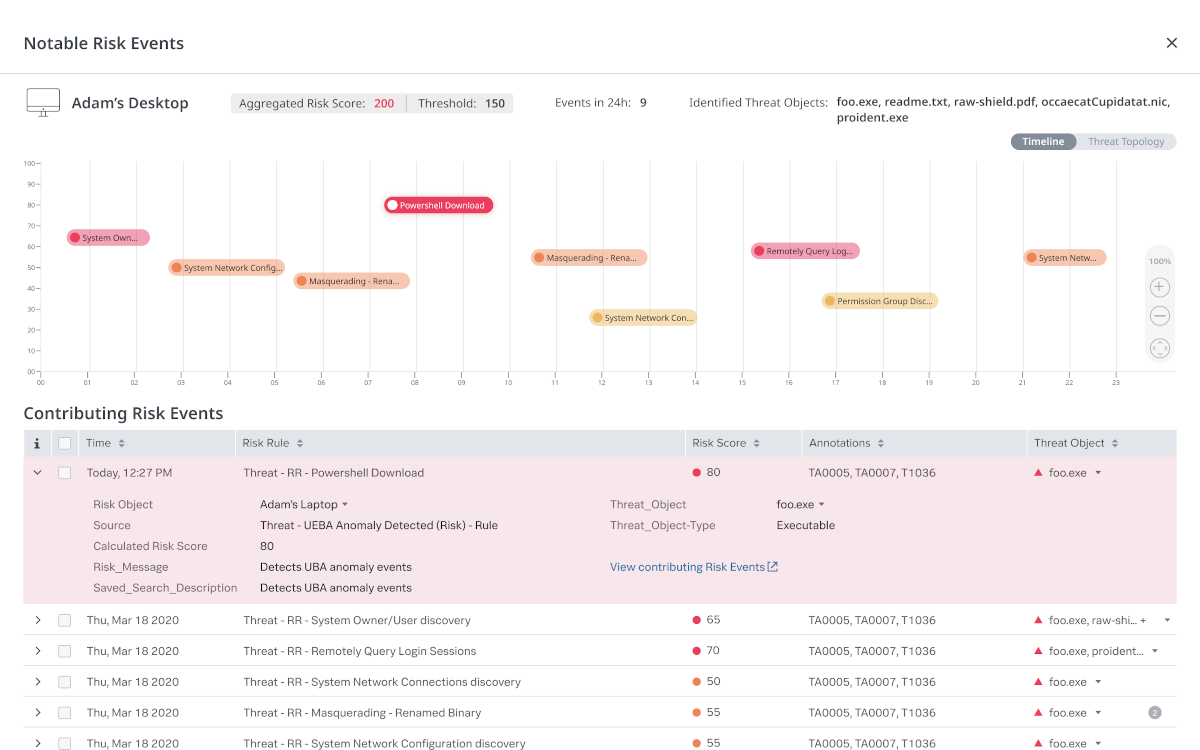
Overview
Detection and hunting quality depend on more than rule volume. Teams need rules that reflect actual attacker behavior, current intelligence, and the realities of the telemetry they have available.
SIEM Rules supports that by generating intelligence-led detection content that can be used to hunt, validate coverage, and improve rule quality across security workflows.
Who This Is For
This page is most relevant for detection engineers, threat hunters, SOC leads, and security teams trying to close the gap between external reporting and practical defensive coverage.
Why Teams Use It
- Expand coverage from fresh intelligence rather than static backlogs
- Create hunting leads from report-driven behavior
- Connect generated rules to broader validation and ATT&CK-oriented analysis workflows
How It Helps Hunting and Detection
Threat reports often describe behavior in narrative form. SIEM Rules helps convert that narrative into content that is easier to test against available telemetry and easier to adapt for detection or hunting use.
That does not remove the need for engineering judgment. Teams still need to validate rule quality, consider local log realities, and tune logic to match their environment. What SIEM Rules changes is the speed and consistency of getting to a useful starting point.
Practical Outcomes
Teams can use SIEM Rules to create stronger first-pass rules, generate intelligence-led hunt inputs, and make coverage discussions more grounded in current reporting. It is particularly useful when teams want their hunting and detection work to be shaped by recent adversary behavior rather than generic templates alone.
What Outcome It Supports
The outcome is better-informed detection engineering. Teams move from generic rule maintenance to workflows shaped by the intelligence they are actively consuming.