
Detection Engineering and Coverage Validation
Use SIEM Rules to support rule development, tuning, and coverage validation workflows informed by current intelligence.
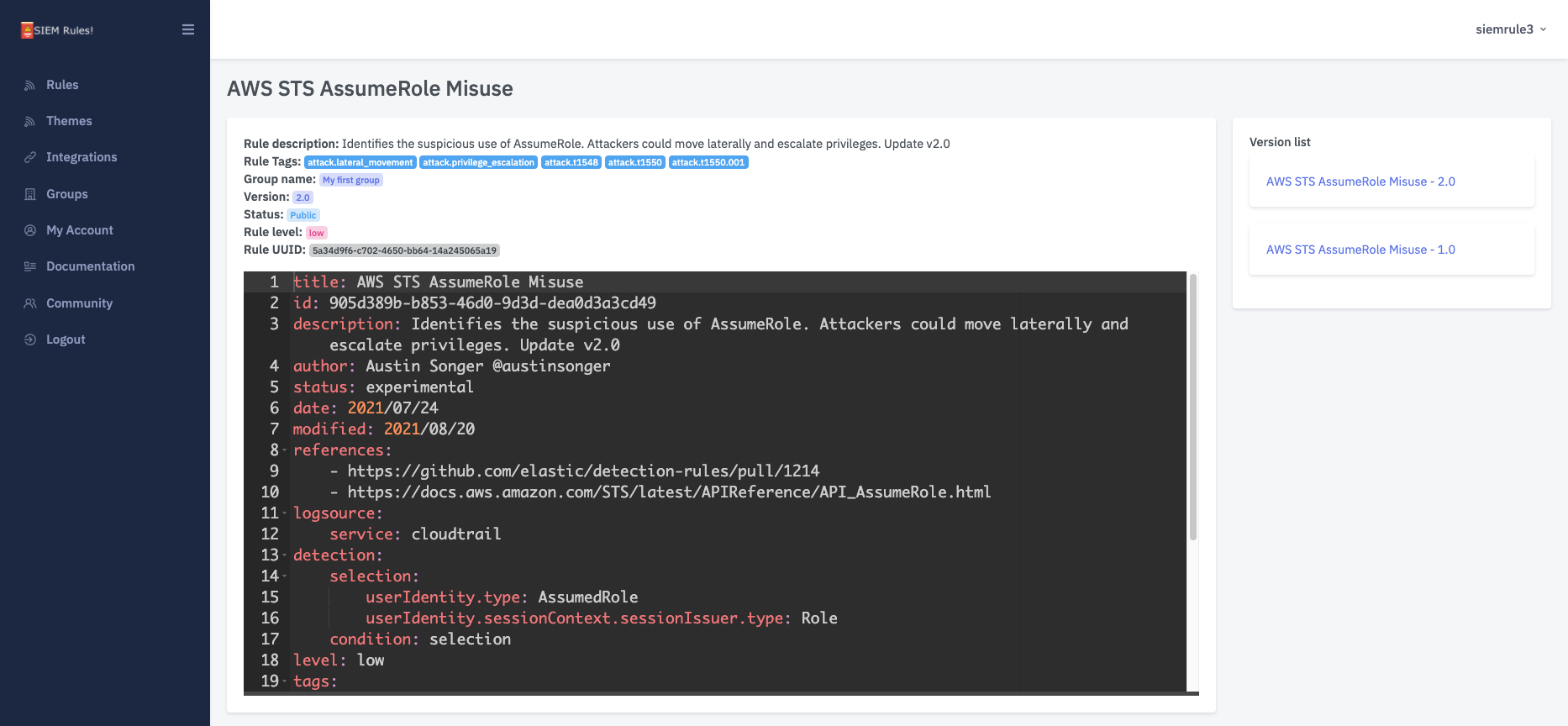
Overview
Detection engineering is not only about creating more rules. Teams also need to check whether coverage is meaningful, whether logic still reflects current intelligence, and where gaps still remain.
SIEM Rules supports that workflow by giving teams a faster way to produce intelligence-led rule content they can validate, tune, and compare against broader coverage expectations.
Who Uses This Workflow
This is mainly a detection engineering workflow, but it is also relevant to threat hunters, purple teams, and security leaders who want better visibility into whether current coverage reflects real attacker behavior.
Why Teams Use It
- Produce first-pass rule logic from current intelligence
- Support ATT&CK-oriented and rule-coverage review workflows
- Keep coverage work tied to fresh threat reporting rather than stale assumptions
How It Is Usually Applied
Teams often use SIEM Rules outputs as a starting point for engineering review. They compare generated logic with available telemetry, test whether the rule is realistic in their environment, and use ATT&CK-oriented outputs to think about coverage more systematically.
Why It Is Different from Simple Rule Generation
This workflow is not just about creating a rule quickly. It is about using intelligence-derived content to support a broader quality-control process around detection coverage, tuning, and prioritisation.